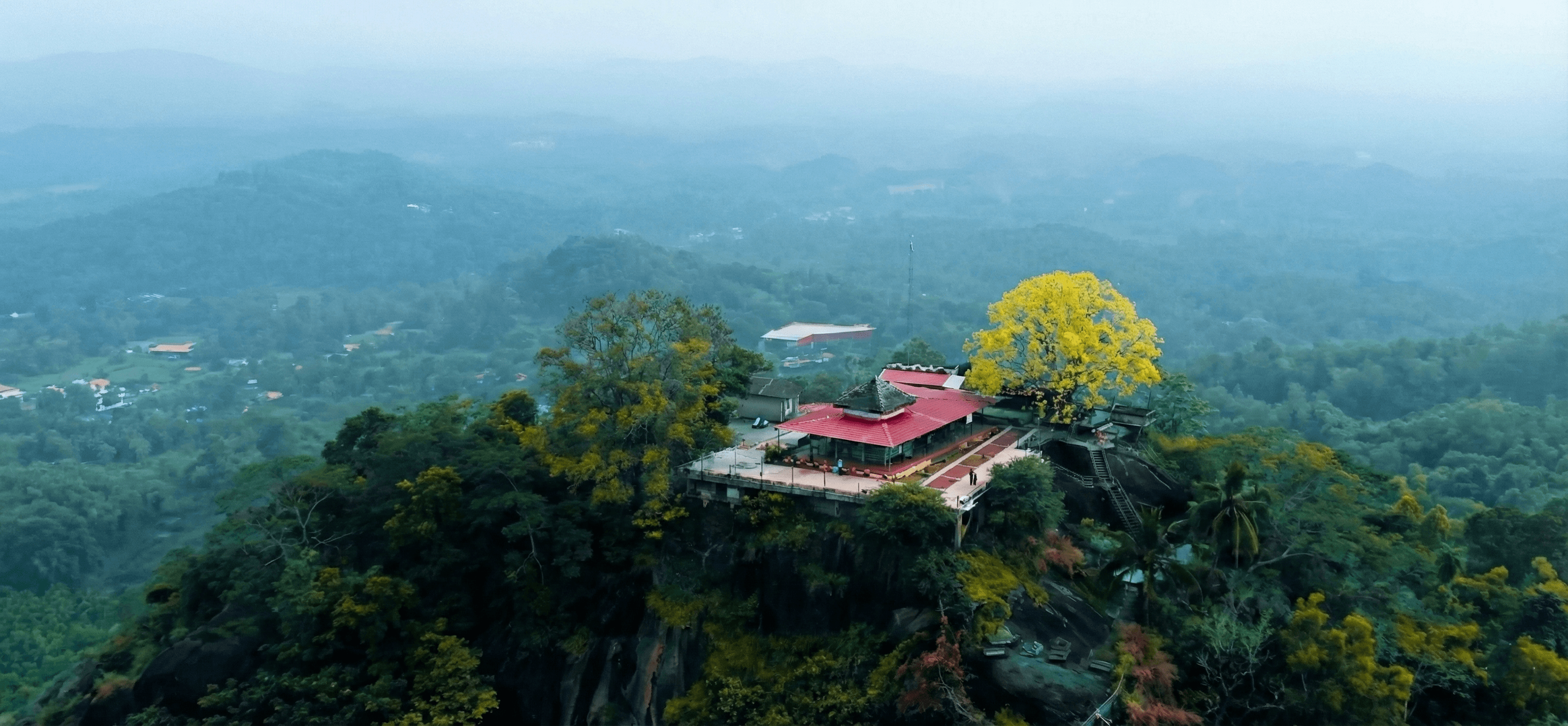
Narahari Sadashiva Temple is situated on the top of Narahari Hill near Melkar, which is about 28 Kms from Mangalore city and 4 Kms from BC Road, Bantwal. It stands majestically at a height of 1000 feet above sea level. Popularly known as the "Kailasa of the Earth", this ancient hill is not just a geological marvel but a sanctuary of immense spiritual power.
The history of this sacred place dates back to the age of the Mahabharata. Legend has it that after the Great War of Kurukshetra, Arjuna (Nara) and Lord Krishna (Hari) visited this place to perform penance. They sought to cleanse themselves of the sins and heavy emotions incurred during the war. Finding this hill suitable for their meditation, they stayed here for a significant period. Since both Nara (Arjuna) and Hari (Krishna) resided here, the hill came to be known as Narahari Parvatha.
To reach the summit, devotees must climb 333 steps. This climb is considered a part of the pilgrimage itself. As you ascend, you will see "Shiva Shiva" painted on the railings and steps, turning the physical effort into a chanting meditation. Recently, a road has also been constructed for elderly devotees, but the traditional stone steps remain the path of choice for those seeking the full spiritual experience.
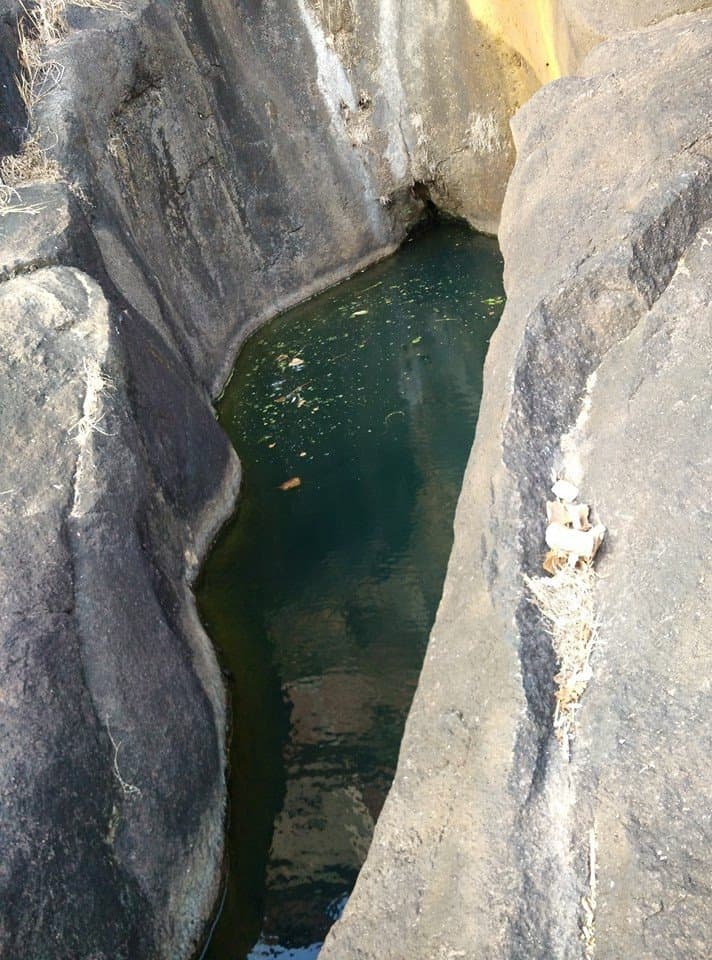
Shanka Teertha (The Conch)
This pond is shaped like a Shanka (Conch Shell), symbolizing the divine sound of Omkara and purity. It is believed that Lord Krishna created this Teertha to wash away the sins of the devotees. A dip in this water is said to bring peace of mind and clarity.
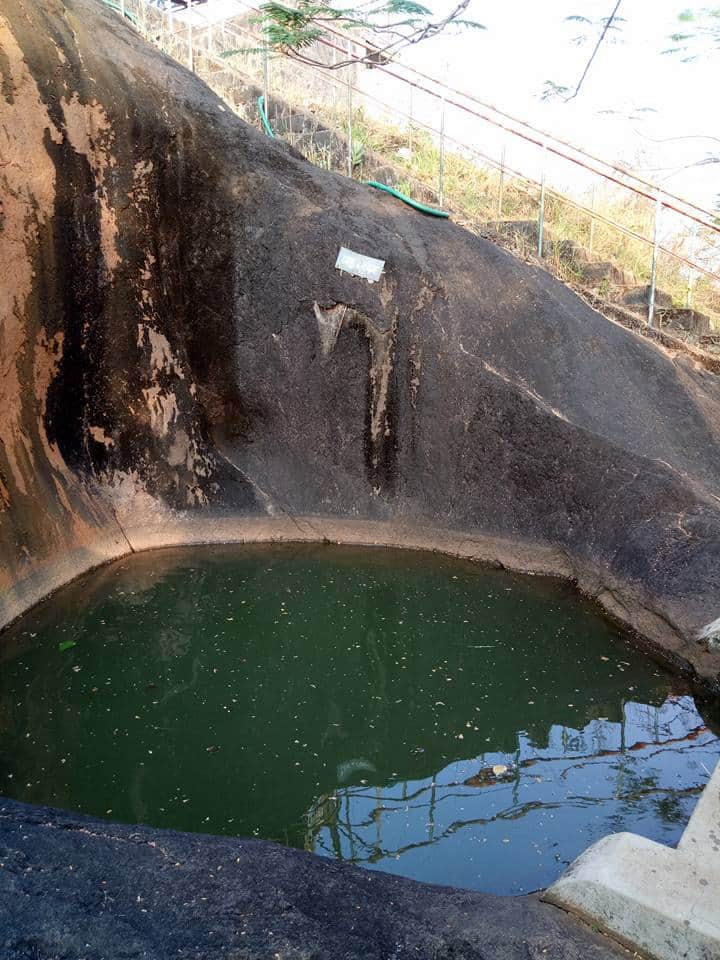
Chakra Teertha (The Wheel)
Resembling the Sudarshana Chakra, this pond represents the wheel of time and Dharma. Legend says that Krishna used his Chakra to carve this water body out of the hard rock. Devotees believe that bathing here protects them from evil forces and restores cosmic balance in their lives.
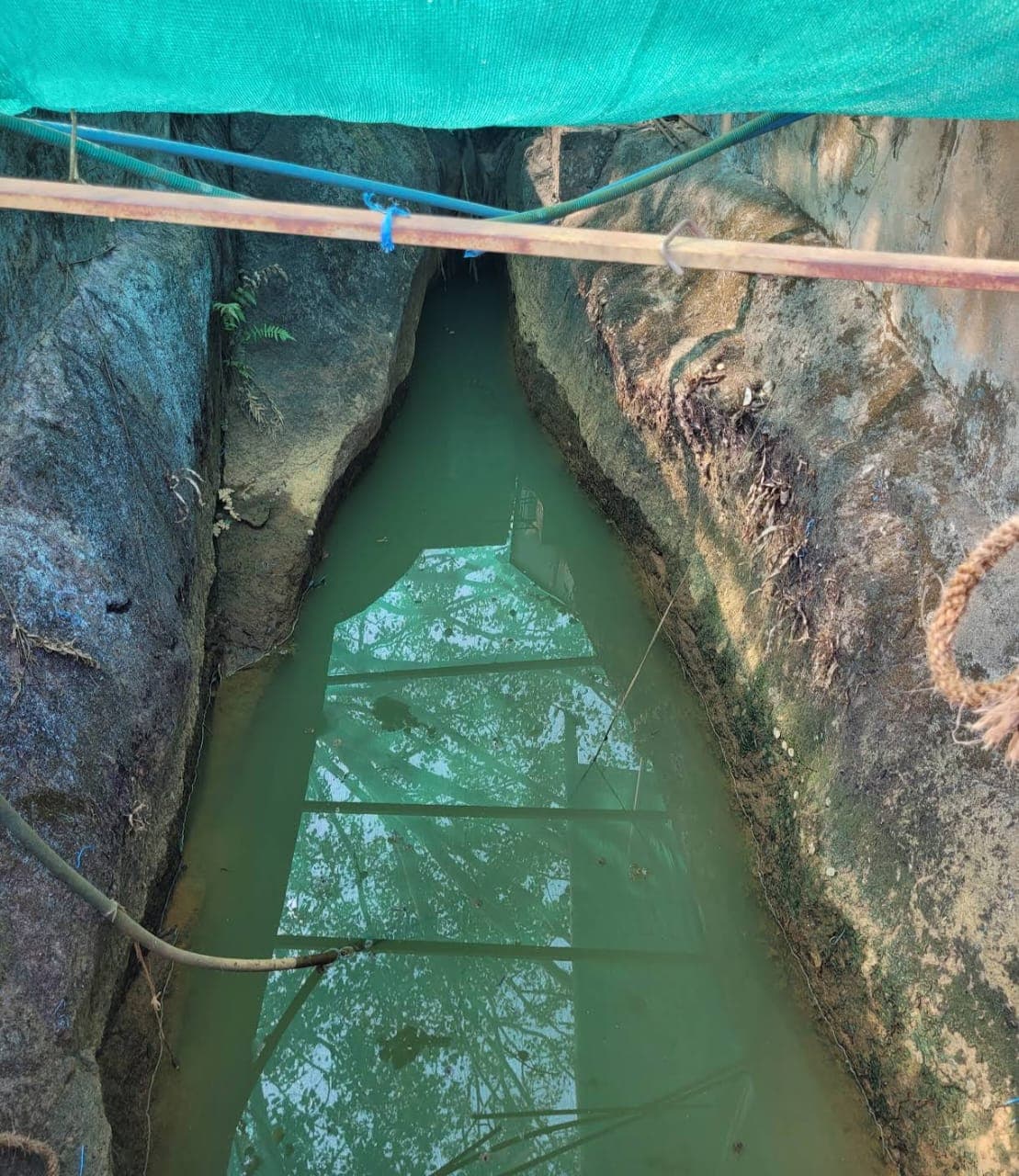
Gadha Teertha (The Mace)
Shaped like the mighty Mace (Gadha) of Lord Vishnu, this Teertha symbolizes strength and power. It is traditionally believed that this water has medicinal properties, curing physical ailments and granting vitality to those who bathe in it with devotion.
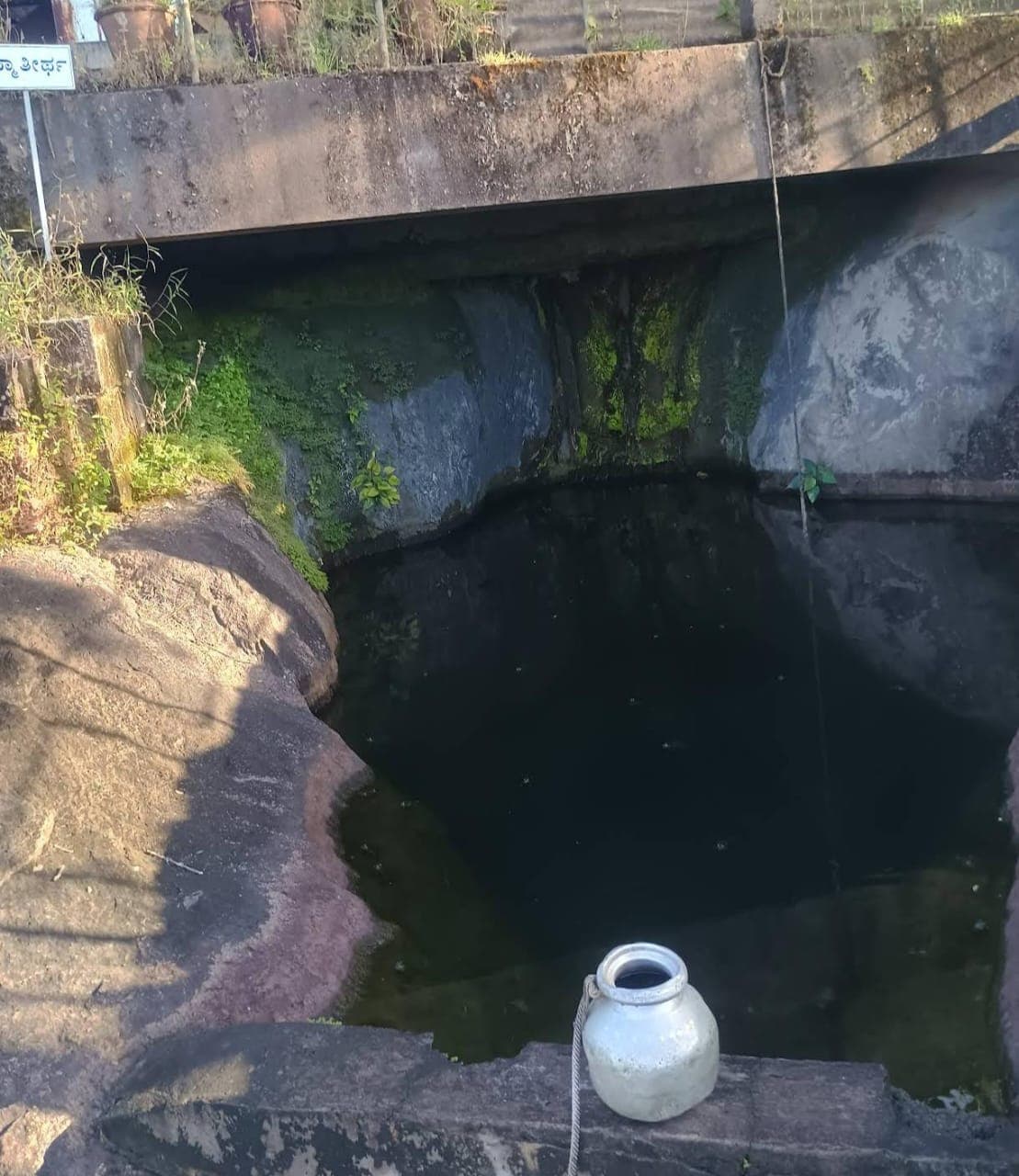
Padma Teertha (The Lotus)
The final pond is in the shape of a Padma (Lotus), representing spiritual unfolding and purity. It marks the completion of the purification ritual. After visiting the other three ponds, devotees take a final dip here before proceeding to the main temple for Darshan.
“ Today, Narahari Parvatha stands as a testament to this divine intervention. It is a place where nature meets divinity, where the hard rock yields to faith, and where the silence of the hill speaks the ancient stories of the Mahabharata to every devotee who climbs its steps. ”